
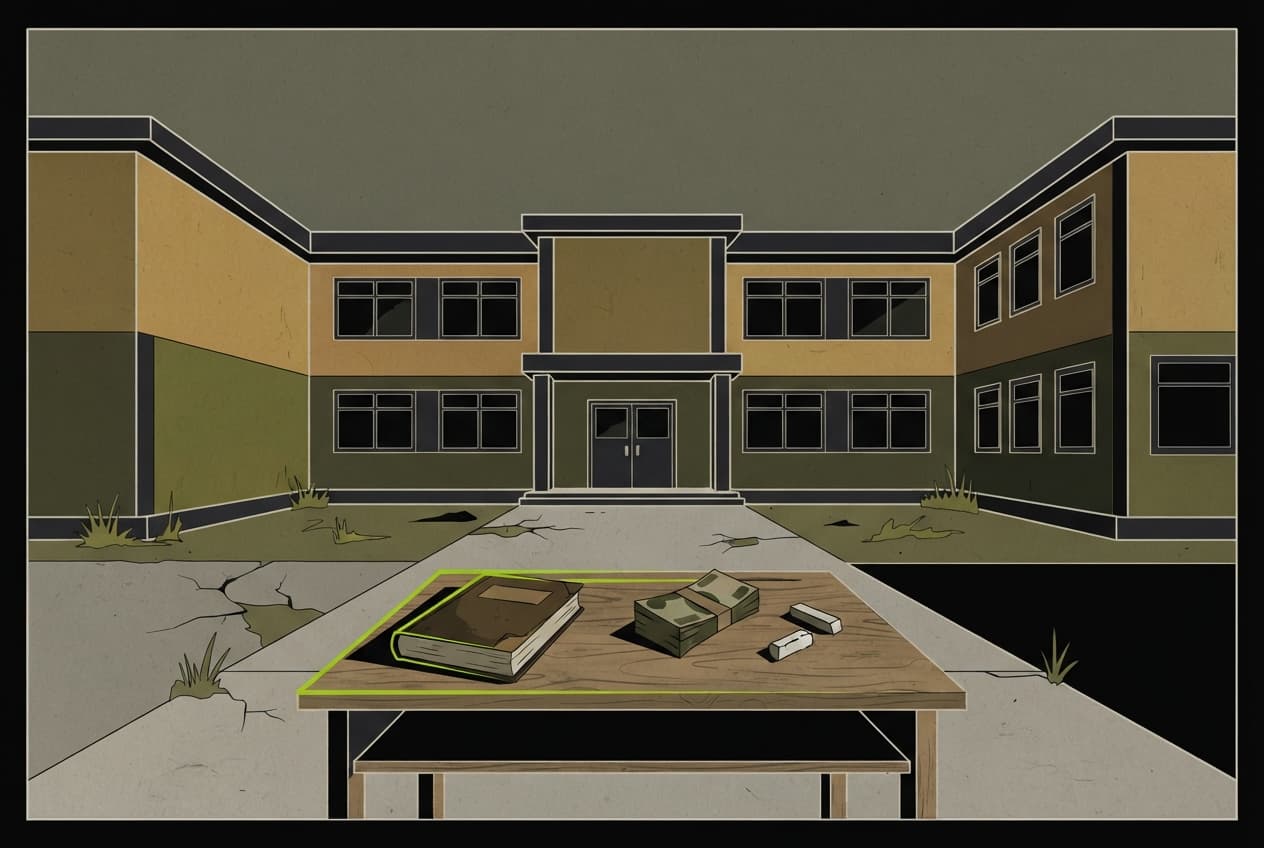
While Nigeria's budget for education amounts to N3.52 trillion, or about 2.14 percent of its GDP, other nations are making larger investments. South Africa, for instance, has committed around $33 billion to education, representing nearly 24 percent of its total government spending. Ethiopia allocated about $12.3 billion, Algeria an estimated $12 billion, Morocco $8.5 billion, and Kenya approximately $5.4 billion.
Comparisons of per-student spending reveal even starker differences. While specific per-student data for Nigeria is unavailable, countries like South Africa report significantly higher figures. South Africa's per-student expenditure ranges from $1,042 for pre-primary to $9,049 for tertiary education. Other nations such as Mauritius, Senegal, Côte d'Ivoire, Rwanda, and Chad also show higher per-student allocations across various educational levels.
Experts point to misplaced priorities and a weak reward system as contributing factors to Nigeria's underfunding of education. Concerns have been raised about the deteriorating condition of public schools and the potential long-term consequences of poor access to education, linking it to broader social and security issues. A call has been made for a shift in attitude towards valuing quality and merit within the education sector to foster sustainable national development.
It is important to note that a comprehensive assessment of Nigeria's education spending requires aggregating allocations from federal, state, and local governments, as education is funded across all three tiers. However, even with such a consolidated view, the education sector is widely considered to remain inadequately funded.